What Retexturing Is — and When You Need It
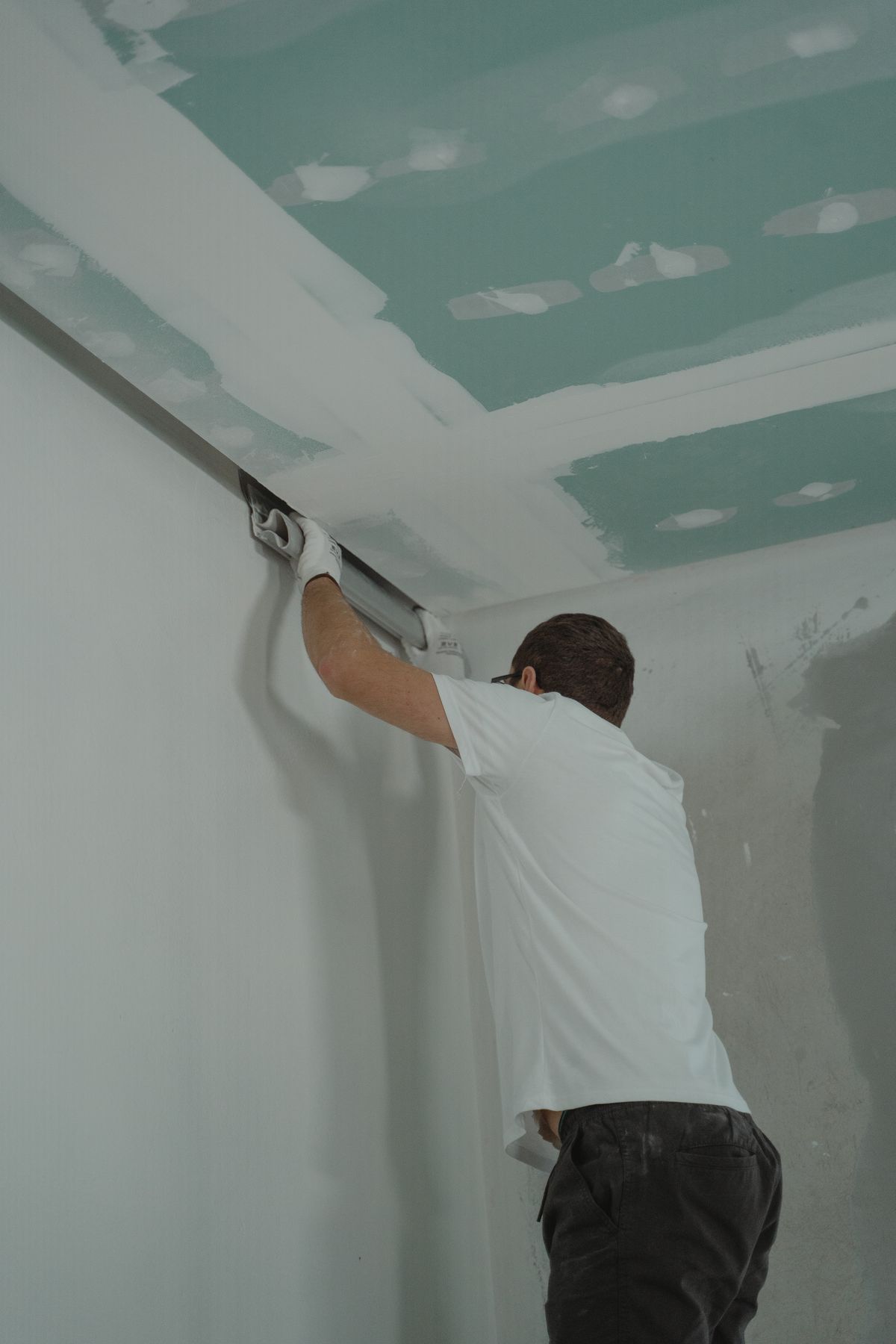
Retexturing is the finishing trade's answer to a ceiling that's structurally fine but visually wrong. Sometimes it follows popcorn removal, when bare drywall needs a new face. Sometimes it's a standalone rescue: a ceiling scarred by patch jobs, roller-stippled by a previous owner, or wearing three eras of texture that no longer match from room to room. Either way, the job is the same — repair, skim, and apply one consistent finish across every ceiling in sight of each other.
In Lubbock this work has a local wrinkle: our light. West Texas afternoons pour low, hard sunlight through west-facing windows, and that raking angle is merciless on ceilings. Waves, ridges, and lazy patches that would vanish in a shaded Seattle living room glow like topography here at 6 p.m. Good finishers plan for it — extra skim passes on smooth ceilings, texture patterns that scatter rather than catch the light — and it's a fair test question for anyone bidding your project.
The Three Finishes, Compared Honestly
Smooth (level 5)
The modern standard and what most people picture when they say “updated.” Multiple skim coats sanded flat, then primed. Costs the most labor, shows craftsmanship — and shows shortcuts, especially under raking window light. Choose it for main living spaces and anywhere photos matter.
Knockdown
Splattered texture flattened with a knife into soft, irregular islands. Forgives minor imperfections, hides future settling cracks better than smooth, and suits the Texas builder vernacular most Lubbock buyers already know. The value pick for bedrooms, hallways, and whole-house consistency.
Orange peel
A fine, even stipple sprayed on and left alone — subtler than knockdown, cheaper than smooth. Its superpower is matching: a huge share of Lubbock walls already wear orange peel, so ceilings finished the same way read as intentional and seamless.
What about re-spraying popcorn?
Asbestos-free acoustic texture still exists, and matching a small patch in an otherwise-sound popcorn ceiling is occasionally the pragmatic call. As a whole-room finish, though, it recreates the dust-catching, dated surface you're trying to escape — we'll quote it if asked, and gently suggest alternatives.
How a Retexturing Project Runs
Assess what's up there now
Existing texture gets checked for adhesion, paint layers, and — on pre-1990s ceilings — the asbestos question answered by a lab before any sanding or scraping. Testing details here.
Protect the room
Skim coat and spray texture are wet trades. Floors, walls, and openings are masked with taped plastic so overspray never reaches your baseboards or your thermostat.
Repair and skim
Cracks get taped, gouges filled, old ridges knocked down, and the whole surface skim-coated to a uniform base. This stage sets the ceiling's true quality — texture decorates a surface, it doesn't fix one.
Apply the finish
Smooth ceilings get sanded and point-lit to catch flaws. Knockdown and orange peel are sprayed with matched aggregate and pressure, then knocked down (or not) at the right dryness — timing that Lubbock's low humidity actually makes easier to hit consistently.
Prime and hand back
New compound drinks paint unevenly, so everything gets primed. Add ceiling paint in the same visit and the room comes back finished instead of almost-finished.
Matching Texture Across an Older Lubbock Home
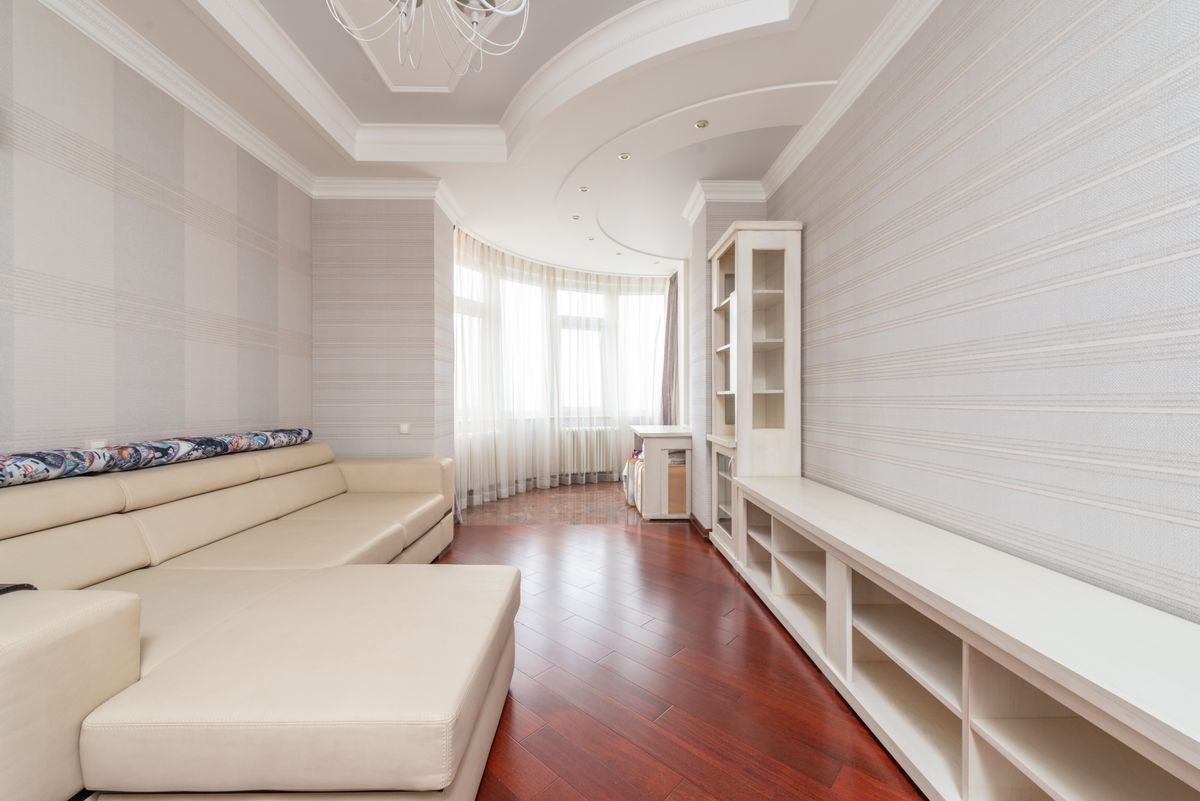
The most common retexture request we hear isn't a whole house — it's one ceiling that no longer matches its neighbors. A patched hail leak over the hallway. A kitchen ceiling replaced during a 1990s remodel. A living room scraped by an ambitious weekend that ended at the paint store. Blending new texture into old is genuine craft: aggregate size, spray pressure, knockdown timing, and even primer color all change how a patch reads, and a bad match draws the eye forever.
The honest rule of thumb: small patches can be blended invisibly by someone with practice; large areas usually look better when the whole ceiling plane is redone corner to corner. A pro who tells you “let's just redo this one ceiling entirely” isn't upselling — they're refusing to hand you a repair you'll see every evening. Where the same texture continues into an adjoining room, the natural break line (a doorway header, a beam) becomes the boundary, which keeps the project contained and the cost sane.
What Lubbock Homeowners Actually Choose
After enough projects around town, the pattern is clear. Homes headed for the market lean smooth in the public rooms — kitchen, living, dining — because listing photos reward flat ceilings, and lean knockdown in bedrooms to keep the budget balanced. Families planning to stay a decade tend to run one finish through the whole house for consistency, and knockdown wins that vote more often than not: it's durable, it hides the small sins of a settling slab, and it doesn't demand repainting perfection every time a fixture changes.
Older character homes are their own case. In Tech Terrace and the early central neighborhoods, many ceilings were never drywall at all — they're plaster, sometimes with decades of paint and patchwork. Plaster can absolutely be skimmed to a beautiful smooth finish, but it behaves differently under a knife than gypsum board, and bidding it takes experience. If your house predates the 1950s, say so when you call; it changes the estimate and the crew that shows up.
One more decision people forget until the sprayer is loaded: ceiling fixtures. Retexturing is the cheapest moment you'll ever have to swap dated dome lights for recessed cans or move a fan box to the room's true center, because the ceiling is already masked, opened, and about to be refinished. Decide on lighting before texture day, not after.
Retexturing Questions, Answered
Which finish is cheapest?
Orange peel, then knockdown close behind, with level-5 smooth costing the most because of the extra skim and sanding labor. On a whole house the spread between orange peel and smooth can run into four figures — worth knowing before you default to smooth everywhere. See the cost guide.
Can you texture over existing popcorn?
Not directly — popcorn is too soft and too thick to take new texture. It either comes off first or gets buried under a skim system or new drywall layer. Which route makes sense depends on paint layers and the asbestos result.
How long before I can use the room?
Most single-room retextures run one to two days including priming. Lubbock's dry air is the finisher's friend: skim coats that need a full day to cure on the Gulf Coast are often ready for the next pass in hours here. Furniture can usually come back the evening after paint, once the room has aired out.
Can vaulted or cathedral ceilings be retextured?
Yes — the finishes behave the same on a slope; only the access changes. Scaffolds or lifts add setup cost, and smooth finishes on big vaulted planes deserve extra care because their size makes waves easier to spot. Knockdown is a popular compromise up high for exactly that reason.
Do smooth ceilings crack more?
They don't crack more — they just hide less. Our expansive clay soils move houses a little, and hairline settling cracks show sooner on smooth planes than under knockdown. Proper taping and flexible caulk at the wall line keep it rare; texture keeps it invisible. Pick your philosophy.
Is retexturing worth it if I'm not removing popcorn?
Often, yes. A skim-and-retexture over sound, tested, unpainted-or-lightly-painted texture can modernize a room for meaningfully less than full removal, since the scrape stage disappears. It adds a little ceiling thickness and isn't right for every surface — but it's one of the best value plays in the whole ceiling trade, and a walkthrough will tell you quickly if your ceilings qualify.
Will new texture match my walls?
If your walls wear orange peel or knockdown — as most Lubbock homes do — the ceiling can be sprayed to coordinate without copying. Ceilings usually carry a slightly finer version of the wall texture so the room feels consistent but the ceiling still reads lighter.
Pick a Finish With Real Samples
Describe your ceilings and get a free quote for smooth, knockdown, or orange peel — with straight talk about what each costs and how it will live with your light.